Yoga & Mental Health
By The Yoga Loft Last updated
In short
Yoga can support your mental wellbeing by giving you time to slow down, breathe and connect with your body without judging it. Slow, steady breathing helps calm the "fight or flight" response that keeps anxiety going, and a regular practice can build self-acceptance. Yoga isn't a replacement for medical care: if you're struggling, speak to your GP.
Do you take care of yours?
There is growing research to support the use of yoga as a tool to improve and maintain our mental health.
As our world gets busier, more demanding and more overstimulating, it’s more important than ever that we take time to care for our mental as well as our physical wellbeing.
Happy being you
“Let go of who you think you are supposed to be and be who you are.” Brené Brown
We start with self-acceptance, as it is often a root cause of many other mental and emotional afflictions. Call it what you may, self worth, self confidence, self esteem: they are all tricky aspects of ourselves to keep healthy, nurture and take care of.
The positive nature of a yoga practice helps us to do just that. It gives us time to invest in ourselves, to take a break from being “on” constantly, and to connect with our physical, mental and emotional selves.
It teaches us to experience our bodies, not judge them, and over time it re-programmes the negative thinking patterns that can lead to low self esteem, low confidence and body image issues.
Yoga for anxiety relief
“Letting go is the hardest asana.”
All kinds of physical exercise are good for reducing the symptoms of anxiety and stress, but yoga may be one of the best.
Anxiety produces the body’s “fight or flight” response, which in turn makes us feel even more anxious, resulting in a constant cycle of anxious thoughts and a constant emotional state of stress.
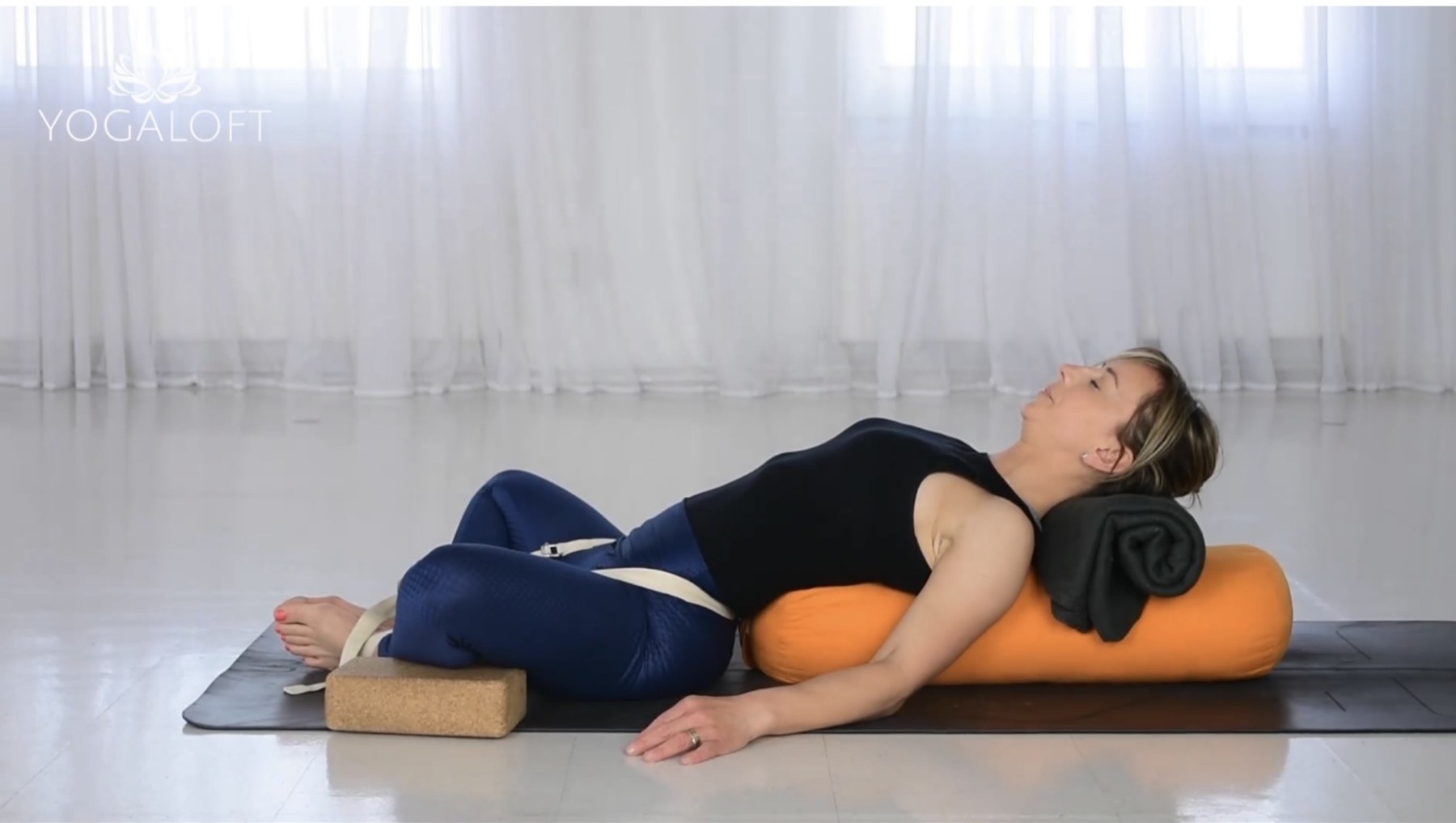
Yoga modulates perceived stress and anxiety by slowing down rapid breathing and heart rates, lowering blood pressure, and calming the central nervous system. Breathing techniques are not just for class but can be used as part of your anxiety busting toolkit!
Exercise of all kinds increases “feel good” neurotransmitters, but yoga stands out as a feel good booster. It puts the brakes on brain activity, enabling you to relax.
Poses for anxiety, from Yoga Journal
Yoga for depression
“Yoga is not about touching your toes. It is about what you learn on the way down.” Jigar Gor
Depression is a condition that affects more of us than ever before. It is one of the most common mental health conditions in the western world.
Yoga can boost mental health, with those who practise it recording higher levels of the amino acid GABA. Low levels of GABA are associated with feelings of depression, and a growing number of studies have shown that a regular yoga practice can improve these levels more than some other forms of exercise, such as walking.
This amino acid is vital for a well-functioning brain and central nervous system, and helps promote feelings of calm inside the body.
Yoga helps to produce a physiological state of rest through the combination of postures, breathing and meditation.